

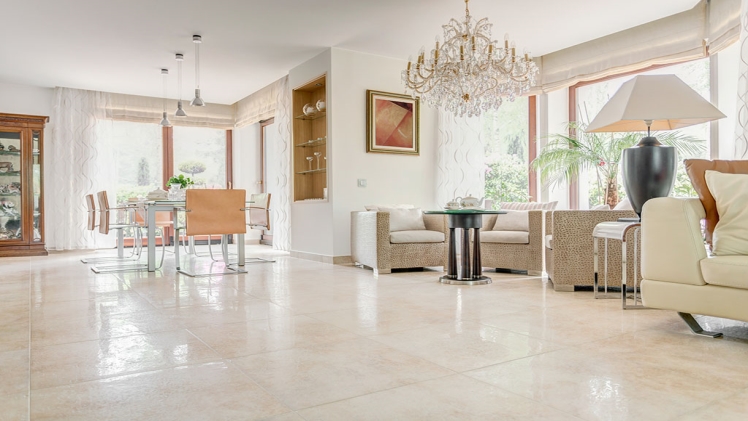
Good thing Tiento supplies a wide variety of porcelain, stone, and ceramic tiles worldwide. This company produces quality and high-class tiles that you can’t get from other suppliers. They also accept customized designs to match the aesthetic that you’re looking for. For more information, visit https://tiento.com.au/ and learn about their amazing products.
Tile Flooring
Tile flooring is frequently composed of ceramic or porcelain. Ceramic floor tiles are budget-friendly and best used in living rooms and bedrooms. In comparison, porcelain floor tiles are much more durable and denser and are effective in kitchen floors, bathrooms, and showers. Natural stone tiles are another well-known form of tile flooring but are more costly than ceramic tiles.
Wall Tiles
Because foot traffic and slide resistance are not an issue on a vertical surface, almost all types of tiles can be used on walls. Stone tiles are a great alternative if you want to boost your home’s resale value compared to other materials.
Different Types Of Tiles
You’ll be surprised by the wide range of available tiles on the market and how they are used. Certain tiles can only be used in tile flooring, while others may be used as wall tiles. Understanding the difference between each kind and their functions is essential to avoid using the wrong material in your project.
1. Ceramic Tile
Ceramic tile is one of the most commonly used in houses because it’s cheap and versatile. Its higher resilience suits any part of the house, including kitchens, bathrooms, and entryways. It is easy to install, clean and comes in hundreds of styles to suit any design.
2. Porcelain Tile
Porcelain tile is widely used for its capacity to resemble real stone, brick, or wood, and you get the same outstanding result without any of the maintenance or aging. Porcelain can be used outdoors because it does not freeze, fade, or crack. This type is more difficult to work on compared with other types and needs more careful installation.
3. Glass Tile
Glass tile provides a minimalist and clean design, and the resistance to stain makes it a great replacement for natural stone. This type breaks easily, so it’s not ideal for places or spaces that people use often, like kitchen flooring or hallways.
4. Cement Tile
Cement tile is incredibly adaptable and can produce amazing colors and patterns, but it is hard to install. In addition, this type must be sealed once a month to preserve its beauty, as it gets discoloration easily.
5. Marble Tile
Marble tile can instantly bring sophistication and class to any space. This type is expensive and requires significant maintenance to keep its flawless appearance. Most homeowners prefer to use marble in aesthetic features like shower floors, columns, and backsplashes.
6. Mosaic Tile
Mosaic tiles are ideal for wall applications. But this type can be outdated easily because the modernization of interior designs changes quickly.
7. Granite Tile
Granite tile is a raw natural stone with fragments that mimic marble in both appearance and texture. This type is typically used in secondary locations like laundry rooms where durability and cost reductions are essential.
8. Limestone Tile
Limestone tile resembles a rustic aesthetic with natural tones, shades, and contrasts. It has a natural look that is suggestive of antique style. Limestone is a tough but flexible material that is easy to mold and cut into precise shapes and places. It must be well sealed to guarantee that it lasts for a long time, or it could break and scratch easily.
9. Travertine Tile
Travertine tiles, like other natural stone tiles, are quickly affected by water, stains, and traction. As a result, it needs additional care and a once-decade sealing. Because it is easily scratched and stained, this kind works best on walls.
Advantages Of Using Tiles
1. Improves Safety for Wet Spaces
Porous stones, such as limestone, can survive water and are less slippery when wet than marble tiles, yet both perform well in damp environments. They remain intact simply because they become wet. That is why people choose tiles in bathrooms and kitchens, where water splash are more likely to happen.
2. Boost Indoor Air Quality
If you have asthma, a natural tile floor is important for maintaining good indoor air quality. Tiles are particularly helpful in areas where people frequently track dirt and allergies.
3. Environmental-friendly
Ceramic and porcelain tiles are simply produced from clay, a renewable resource. Stone tile is also recyclable and has a long lifespan. Limestone may also be considered a sustainable resource if obtained responsibly.
4. Beautiful Designs
Tiles can be cut to desired dimensions and set down in various patterns to produce amazing works of art. Other forms of flooring just do not have the variety and quality that tile has in producing stunning designs. In many circumstances, you don’t even need sophisticated cuts to get a distinct appearance. Marble tiles, for example, always seem distinct in each home because the veins and shades are distinctive to each tile.
5. Increase Resale Value
Adding tile flooring to your house may increase the resale value and recover part of the installation costs when you sell. They not only appear nicer, but they are also perceived as more sanitary options because of their ease of cleaning and maintenance.
Go Above And Beyond
Aside from adding vibrant colors to any space, placing tiles in your home benefits your property in various ways. Experiment with different patterns and designs to test your creativity, and remember to have fun!
