

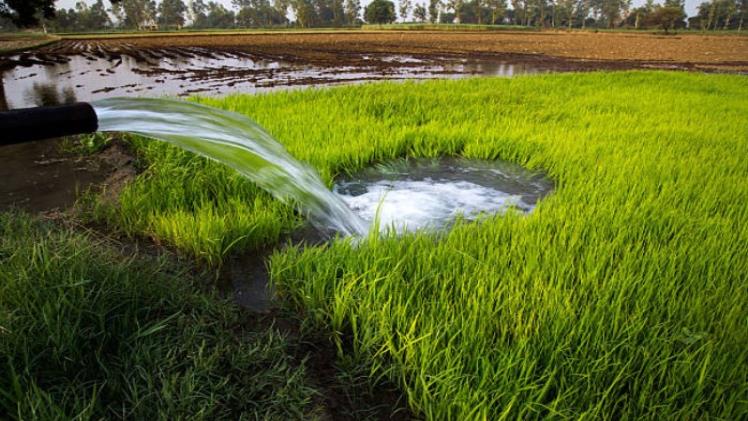
With the continuous growth of world population, the urgent need for sustainable farming systems that will ensure food security for all is created.
To gain this, adopting technologies for sustainable farming systems is necessary as it enables farmers to enhance their yield while reducing their costs.
This article will delve into the importance of how technology can be adopted to achieve sustainable farming.
Why Do We Need To Adopt Technology in the Farming System
The continuous increase in world population has left humans to search desperately for more eco-friendly ways to provide food to ensure the population’s survival. According to the United Nations, the world’s population is projected to reach 9.8 billion by 2050.
If those projections become true, it becomes evident that we need to enhance global food production. The risk to food security in developed countries like America, Britain, France, Germany, etc.,Doesn’t present a significant concern when compared to many African countries?
In order to ensure food security on a global scale, it is essential to employ technological advancements to enhance our farming system.
Examples of Technologies that Can Be Adopted for Sustainable Farming System in 2023
Incorporating modern technologies to our farming system is a definite pathway to ensure global food security. Nevertheless, what specific innovations or technological advancements are expected to employ?
In ancient times, even now, humans practised farming using rudimentary tools like hoe, cutlass, shovel, etc. These tools are outdated but still got the job done at that time; however, if we aim to enhance our food output and ensure food security, here goes a few sustainable farming technologies that we can embrace:
1. Cloud Computing
Whether you believe it or not, the food production future is closely tied to Cloud Computing. Considering the extensive data processed by farmers, scientists, manufacturers, and others, it becomes increasingly conceivable that the agriculture industry will soon operate efficiently by embracing cloud computing.
The integration of cloud computing in agriculture would empower agribusinesses to effectively manage various technology solutions and other business intelligence tools within a unified platform.
2. Satellite Data
The utilisation of Satellite Data is proliferating. Industries worldwide are embracing this technology as it is highly efficient and cost-effective.
A fully operational satellite can offer high-resolution images of your farm, capturing even the tiniest details and information for each pixel. This capability reduces the reliance on costly sensors, providing valuable insights and data at a more affordable cost.
With satellites, farmers can have access to information like atmospheric pressure, soil temperature, soil nutrients, etc.
3. Drones and Robots
It’s well-known that robots are allowed access to the central vaults housing a significant portion of the stored gold in the US Federal Reserve. This serves as a testament to the security and efficiency of robots and automated machines.
Automated machines, well-equipped with advanced capabilities, can readily handle repetitive tasks such as plant watering, mulching, ploughing, and more. Nonetheless, apprehensions have been raised about the potential job displacement if complete automation were adopted. Despite this, robots continue to be a valuable tool in forging a sustainable farming system.
4. Renewable Energy
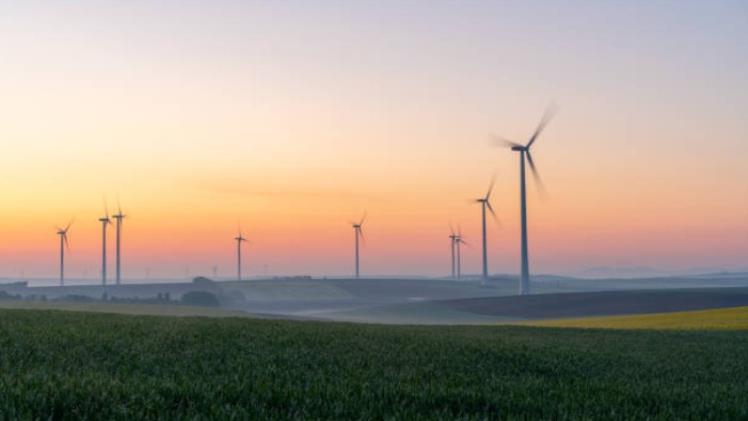
To achieve a sustainable farming system, the reliance on fossil fuels must be highly reduced. Incorporating renewable energy sources like wind, solar, hydro, etc., offer a reliable path to developing a sustainable farming system.
A fossil-independent food industry will help to create a healthier, more fertile, and more sustainable farming system that can achieve food security for all.
Benefits of Adopting Technology for Sustainable Farming
1. Cost Effective
One of the notable advantages of adopting technology for a sustainable farming system is cost-effectiveness. In the past before advancing technology, you’d need a large workforce to help cultivate a particular crop. You’ll need to provide the crew with a few forms of compensation.
Nevertheless, because of the various advancements in Agri-Tech, you can channel your finances towards purchasing automated tools, machines, etc., that don’t need payment in the long run.
2. Improves Food Security
Given the rapid population growth, ensuring food security necessitates the adoption of technology in the agricultural sector. Through technology, it becomes feasible to produce seasonal food products throughout the year, contributing significantly to enhancing global food security.
3. Protects our Environment
The significance of the dangers of Carbon emissions cannot be overstated; to help protect our planet, There is an urgent need for the carbon emissions to be drastically reduced. One assured method of achieving Carbon net zero is by integrating technology in our agricultural sector.

4. Saves Time and Labour
By leveraging technologies such as Artificial Intelligence, machine learning, robots, and drones, the time required to complete farm tasks can be dramatically reduced. For instance, specialised robots designed for irrigation are capable of streamlining this essential process efficiently.
With the proper configuration, they’ll have the capacity to thoroughly rinse the farm without needing human input and will do so at a much faster pace.
Conclusion
Food security is the sole way to ensure the survival of a population. If we don’t proffer and achieve better and more efficient farming techniques and technologies, we might find ourselves in a race for survival.
We hope you’ll be more intrigued and participate in the mission to develop a sustainable farming system by the time you finish this article.
