

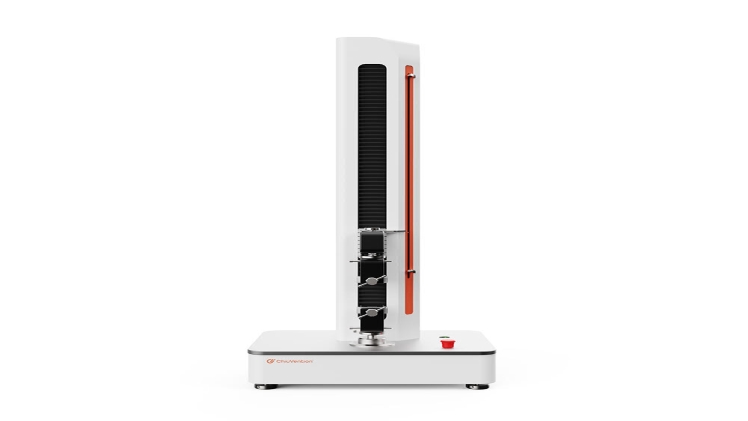
Unlocking the secrets behind material strength analysis requires a powerful tool: the tensile testing machine. These mighty machines play a crucial role in determining the mechanical properties of materials, helping engineers and scientists push boundaries, improve designs, and ensure product safety. From aerospace to automotive industries, tensile testing machines are indispensable for understanding how different materials behave under stress. In this blog post, we will delve into the fascinating world of these machines, exploring their inner workings, benefits, types available in the market, and how to choose the perfect one for your specific needs. So buckle up as we take you on an exciting journey through the realm of tensile testing machines!
How do tensile testing machines work?
Tensile testing machine are like silent superheroes, capable of unveiling the hidden strengths and weaknesses of various materials. But how exactly do these machines work their magic?
At the heart of every tensile testing machine is a gripping system that firmly holds the material specimen in place. This ensures that when force is applied, it is evenly distributed throughout the sample. The machine then gradually applies tension to the specimen until it reaches its breaking point.
During this process, sensors meticulously measure and record crucial data points such as load (force applied), displacement (change in length), and time. These measurements provide valuable insights into a material’s behavior under different conditions.
The force applied during the test can be controlled manually or through sophisticated computer software, allowing for precise control over testing parameters. This flexibility enables engineers to customize tests according to specific requirements and industry standards.
For accurate results, tensile testing machines must meet stringent calibration standards. Regular maintenance and calibration ensure that these machines deliver trustworthy data consistently.
By analyzing how materials stretch, deform, or fracture under stress, tensile testing machines help researchers understand important mechanical properties such as yield strength, ultimate strength, modulus of elasticity, ductility, and more.
Intriguingly enough, tensile testing isn’t restricted to just metals; it can also analyze other materials like plastics and composites. This versatility makes tensile testing machines invaluable across industries ranging from construction to medical devices.
So there you have it – a glimpse into how these mesmerizing contraptions unravel the mysteries behind material strength analysis! Now let’s delve deeper into why they are so essential in our next section.
What are the benefits of tensile testing machines?
Tensile testing machines, also known as tension testers, play a crucial role in material strength analysis. These powerful machines subject materials to controlled forces to determine their mechanical properties. But what are the benefits of using tensile testing machines?
First and foremost, these machines provide accurate and reliable data about a material’s tensile strength, yield strength, elongation, and other important characteristics. This information is vital for engineers and researchers working in various industries such as aerospace, automotive, construction, and manufacturing.
By analyzing a material’s behavior under tension, tensile testing machines help identify potential weaknesses or flaws that could lead to structural failures or performance issues down the line. This allows manufacturers to make informed decisions regarding material selection and design optimization.
Another significant benefit of tensile testing machines is their ability to assess the quality control of materials during production processes. By conducting regular tests on samples from different batches or lots of materials, manufacturers can ensure consistency and adherence to specified standards.
Moreover,
these machines enable researchers
to evaluate the effects
of different factors like temperature,
humidity,
or environmental conditions
on a material’s mechanical properties.
This knowledge is invaluable
in developing new materials
that can withstand specific operating conditions.
Furthermore,
tensile testing provides valuable insights into failure mechanisms.
By observing how materials stretch,
deform,
and eventually break under load,
engineers can better understand why certain components fail.
This knowledge helps in designing more robust structures
and improving overall product durability.
Lastly but not leastly,
tensile testing contributes greatly
to advancements in research
and development of new materials.
Understanding how different substances respond
to external forces opens up opportunities
for innovation in diverse fields such as medicine,
energy storage systems,
and advanced composites manufacturing.
In conclusion (as per instructions),
it is clear that tensile testing machine offers numerous benefits by providing essential data for engineering analysis purposes across several industries.
How to choose the right tensile testing machine?
When it comes to choosing the right tensile testing machine, there are several factors that need to be considered. First and foremost, you need to determine the specific requirements of your material strength analysis. Are you testing small samples or large specimens? What is the maximum force capacity needed for your applications? Understanding these requirements will help narrow down your options.
Next, consider the accuracy and precision of the machine. Look for a tensile testing machine that has a high degree of repeatability and can provide accurate measurements. This will ensure reliable results in your material strength analysis.
Another important factor to consider is the flexibility and versatility of the machine. Does it have different grips and fixtures available for various types of materials? Can it perform other tests such as compression or flexural tests? Having a versatile machine allows you to expand your testing capabilities in the future.
Additionally, take into account factors such as ease of use, software compatibility, and after-sales support. A user-friendly interface and compatible software can make operation easier while good after-sales support ensures any issues or concerns are addressed promptly.
Don’t forget about budget constraints. Determine how much you are willing to invest in a tensile testing machine without compromising on quality and reliability.
By carefully considering these factors, you can choose a tensile testing machine that meets your specific needs and provides accurate results for your material strength analysis.
What are the different types of tensile testing machines?
Different Types of Tensile Testing Machines
Tensile testing machines play a crucial role in analyzing the strength and properties of materials. These machines come in various types, each designed to suit different testing requirements.
1. Universal Testing Machines (UTMs): UTMs are versatile and widely used for tensile, compression, bend, and shear tests. They apply force on a specimen until it reaches its breaking point, measuring parameters such as load and elongation.
2. Hydraulic Tensile Testing Machines: These machines use hydraulic power to generate force for testing applications requiring higher loads. They are commonly used in industries like aerospace and automotive where heavy-duty materials need to be evaluated.
3. Electromechanical Tensile Testers: Electromechanical testers use an electric motor to apply forces during testing operations. They offer precise control over test parameters and are suitable for applications that require accurate measurements at lower loads.
4. Pneumatic Tensile Testing Machines: Pneumatic testers utilize compressed air or gas to exert force on specimens being tested. These machines are often employed in situations where rapid-testing is required or when dealing with delicate materials like textiles or foams.
5. Micro-Tensile Testers: As the name suggests, micro-tensile testers specialize in evaluating small-scale samples or components with micro-level dimensions accurately.
Choosing the Right Tensile Testing Machine
When selecting a tensile testing machine, factors such as load capacity, test speed range, accuracy level, sample size compatibility must be considered based on your specific application needs.
In conclusion
Understanding the different types of tensile testing machines available helps ensure you choose the right one for your material strength analysis requirements. Whether you need a universal tester for diverse applications or specialized equipment tailored to unique specifications—there’s a wide range of options available to meet your specific needs effectively!
How to choose the right tensile testing machine for your needs
Choosing the right tensile testing machine for your needs is crucial to ensure accurate and reliable results. With so many options available in the market, it can be overwhelming to make a decision. However, by considering certain factors, you can narrow down your choices and find the perfect machine.
Determine the maximum force capacity required for your testing applications. Different materials have varying strength levels, so it’s important to select a machine that can handle the highest force you anticipate testing.
Next, consider the speed at which you need test results. Some machines offer faster testing speeds than others, which may be important depending on your specific requirements.
Another factor to consider is the type of grips or fixtures needed for your tests. Different materials require different grips or fixtures for proper gripping and alignment during testing.
Additionally, think about any specific features or capabilities that are essential for your applications. For example, do you need advanced software for data analysis? Or maybe you require environmental chambers for temperature-controlled testing?
Don’t forget about budget considerations. Tensile testing machines come in various price ranges with different functionalities. It’s essential to find a balance between cost and functionality that aligns with your budget constraints.
By carefully considering these factors and researching different models from reputable manufacturers, you can choose a tensile testing machine that meets all of your specific needs and ensures accurate material strength analysis in your laboratory or production facility.
Conclusion
In today’s rapidly evolving world, where materials are constantly being pushed to their limits, the importance of tensile testing machines cannot be overstated. These powerful tools provide invaluable insights into the strength and durability of various materials, allowing engineers and researchers to make informed decisions about their applications.
