

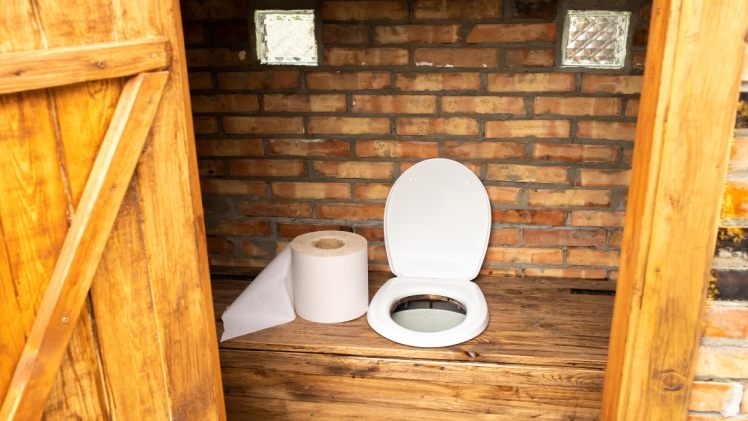
If you are planning a camping trip, a road trip, or any other outdoor adventure that might require you to spend some time away from civilisation, you’ll probably have to deal with nature’s call at one point or the other. Out of this pressing need, one of the most critical questions arises; can you fashion your DIY portable toilet? Also, aside from cost savings, is the DIY approach a sanitary option?
In this article, we look at the pros and cons of DIY portable toilets and share some tips on making one yourself.
Why Would You Need a Portable Toilet?
An array of circumstances could warrant a shotgun portable toilet, for example:
- Camping in remote areas bereft of public facilities or sanctioned campsite conveniences.
- Engaging in vehicular or recreational vehicle odysseys while avoiding gas stations or roadside bathrooms that might be unsanitary.
- A medical condition demanding frequent, or worse yet, compulsory bathroom visits.
- Emergencies or disasters that might disrupt the water supply or sewage system.
Under such urgent circumstances, a DIY portable toilet can be the difference between comfort and inconvenience, offering a modicum of privacy on-the-go. Moreover, these miniature devices spare the environment from contamination and hinder the spread of diseases that can occur by burying or leaving waste behind.
The Art of Crafting a Portable Toilet
For the resourceful individual, the prospect of designing your own portable toilet might prove enticing. And rightly so, as it eliminates the expense of an event toilet hire. There are many ways to do this, depending on your available materials and tools. Here are some basic steps to follow:
- Select a suitable container: Be it a robust bucket or a sturdy plastic bin, the chosen container must be waterproof and sport a proper lid. Strive for dimensions that can accommodate your waste for the intended duration of use.
- Craft a Seat: Here, you can acquire a toilet seat that aligns with your chosen receptacle or make one yourself with wood, foam, or cardboard. Carve a sizeable opening in the centre of the seat, mirroring the container’s opening, and attach it using adhesive or tape.
- Line the container with a bag: You can use any plastic bag that is large enough to cover the inside of the container and hang over the edges. Alternatively, eco-conscious enthusiasts may embrace biodegradable bags tailored to composting or gardening. Want to be even more resourceful? You can skip the bag and use sawdust, kitty litter, peat moss, or newspaper to absorb and cover the waste.
- Introduce chemical constituents or deodorisers: To curb odours and quell bacterial spread, you may infuse bleach, vinegar, baking soda, or commercial products tailor-made for this purpose. Just make sure they are compatible with the type of bag or material you are using.
- Dispose of waste properly: As your porta potty fills with the tangible evidence of metabolism, the onus of discarding it conscientiously falls on you. If you are using biodegradable bags or materials, you can bury them in a deep hole away from water sources and trails. However, if you use plastic bags or chemicals, you need to find a trash can or dumpster that accepts human waste.
Conclusion
Making your portable toilet can be a simple and cheap option to deal with personal hygiene needs when away from home. Nonetheless, take care not to turn a blind eye to the potential pitfalls of this DIY approach. You must adhere to proper waste disposal practices, leaving no blemish on the bountiful lands we traverse.
